The Introduction of Aluminum Alloy
Dec 26, 2024
What is an aluminum alloy?
Aluminum alloy is a metal that combines aluminum with other elements to create a material with unique properties. It is often used in the manufacturing industry because it is lightweight, strong, and corrosion-resistant.
The process of making aluminum alloys involves melting pure aluminum and adding other metals, such as copper, zinc or magnesium, to the mix. The resulting combination creates a material with greater strength and durability than pure aluminum.
One of the benefits of using aluminum alloy is its high strength-to-weight ratio. This makes it ideal for applications where weight is important but strength cannot be compromised, such as aerospace engineering or automotive manufacturing.
Another advantage of using aluminum alloy is its ability to resist corrosion. Unlike many other metals that will rust or corrode when exposed to moisture, aluminum alloy can withstand harsh environmental conditions without degrading over time.
The versatility and unique properties that aluminum alloys offer make them one of the most popular materials used in modern manufacturing today. With many different types on the market today that are tailored for specific applications, there is no doubt that more industries will continue to turn to this incredible metal as their go-to solution!
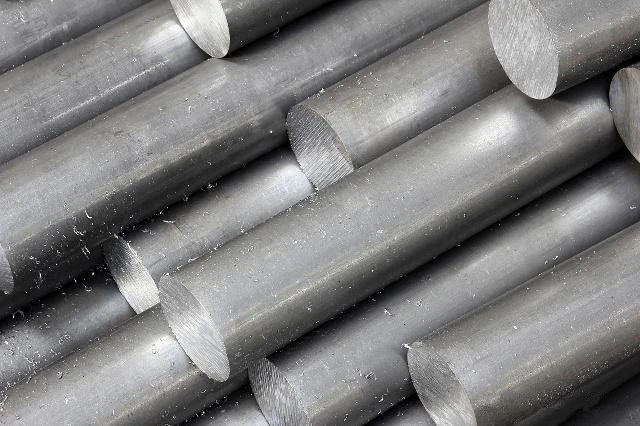
Different Types of Aluminum Alloys
Aluminum alloys are classified based on their chemical composition and the elements they contain. Different types of aluminum alloys include:
1. 1000 Series: These are pure aluminum with excellent corrosion resistance, high thermal conductivity, and good machinability.
2. 2000 Series: These alloys contain copper as the main alloying element, which makes them stronger but less ductile than other alloys.
3. 3000 Series: These alloys contain manganese, which increases strength but reduces corrosion resistance.
4. 4000 Series: These are aluminum-silicon alloys with good weldability but low strength.
5. 5000 Series: These alloys contain magnesium, which increases strength, weldability, and corrosion resistance.
6. 6000 Series: These are heat-treatable alloys containing silicon and magnesium with excellent formability, weldability, and machinability.
7. 7000 Series: These are the strongest aluminum alloys with zinc as the main alloying element, providing excellent strength for aircraft structures.
Each type of aluminum alloy has unique properties that make it ideal for specific applications, such as building materials or aerospace components. Depending on other factors such as durability or ductility, you need to consider when choosing the right material for your project requirements.