The Current Market Landscape Of Aluminum Alloy Wheels
Mar 03, 2026
Aluminum alloy wheels have become an essential component in the automotive industry, reflecting both technological advancement and aesthetic appeal. Currently, the market for aluminum alloy wheels is experiencing a vibrant and upward trend, driven by increasing consumer demand for lightweight, durable, and stylish wheel options.
One of the primary factors fueling this growth is the rising emphasis on vehicle performance and fuel efficiency. Aluminum alloy wheels are favored for their lighter weight compared to traditional steel wheels, which contributes to improved handling, acceleration, and braking. This lightweight characteristic supports car manufacturers' goals to reduce overall vehicle mass and enhance fuel economy, aligning perfectly with global efforts toward sustainability.
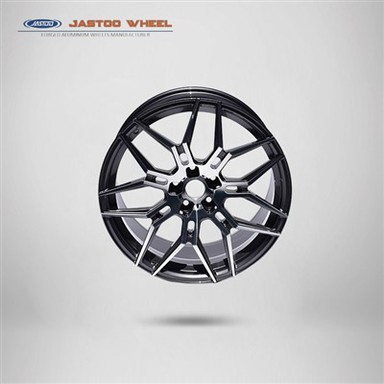
Moreover, aluminum alloy wheels offer excellent corrosion resistance and heat dissipation, ensuring long-term durability and safety. Their ability to maintain strength while reducing weight makes them a preferred choice for both everyday vehicles and high-performance sports cars. The aesthetic versatility of aluminum alloy wheels also appeals to consumers, with a wide range of designs and finishes available that allow for personalization and enhanced vehicle appearance.
The growth of the electric vehicle (EV) market further accelerates the demand for aluminum alloy wheels. EV manufacturers prioritize lightweight components to maximize battery efficiency and driving range, positioning aluminum wheels as an ideal solution. As electric vehicles gain popularity worldwide, the aluminum alloy wheel market benefits from this expanding segment.
Technological innovations continue to enhance the production processes of aluminum alloy wheels, improving quality, reducing costs, and enabling customization. Advances in casting and forging techniques deliver wheels with superior strength and precision, meeting the evolving needs of automotive manufacturers and consumers alike.