Aluminum alloy wheel tips
May 15, 2026
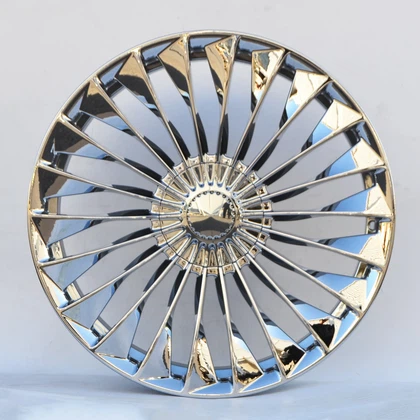
Aluminum alloy wheels have become the mainstream configuration of household cars due to their advantages of lightweight, beauty, and durability.
The following points should be kept in mind during daily use and maintenance, which can not only extend their lifespan but also ensure driving safety.
Compared to traditional steel wheels, aluminum alloy wheels have better heat dissipation and can reduce the risk of brake thermal attenuation; Lightweight, can reduce vehicle fuel consumption and suspension burden, and improve driving smoothness. Daily driving should avoid potholes and road shoulders. Slight bumps can easily cause wheel hub deformation and roundness, and high-speed driving may cause shaking.
The surface of the wheel hub is commonly polished, baked, and brushed. Neutral cleaning agents are used for cleaning to avoid strong acid and alkali products and prevent corrosion of the paint surface.
If there are slight scratches, they can be repaired locally; If there is deformation, cracking, or edge leakage, it must be replaced in a timely manner and should not be continued to be used.
When making a purchase, identify the legitimate brand and strength certification, prioritize matching the original factory size parameters, and do not blindly modify and widen the wheels to avoid affecting the steering and suspension system. Standardized use and regular inspection are necessary for aluminum alloy wheels to balance appearance and safety.