The Types Of Aluminum
Apr 18, 2025
Pure aluminum is extremely soft and often not strong enough for most commercial uses and projects. In order to fix this, pure aluminum is melted down and mixed with other elements such as iron, silicon, copper, magnesium, manganese and zinc. By alloying with these other elements, aluminum's properties such as strength, density, workability, electrical conductivity and corrosion resistance are enhanced.
During the aluminum alloying process, three different types of aluminum alloys can be produced depending on their attributes and what methods are used to treat them: commercially pure, heat-treatable, and non-heat-treatable.
Each type of aluminum alloy can then be further subdivided and characterized by its main alloying element. This is done by assigning each type of alloy a four-digit number to help classify it, where the first digit identifies a general class (or series).
1. Commercially Pure Aluminum: alloys comprised of aluminum 99% or higher purity.
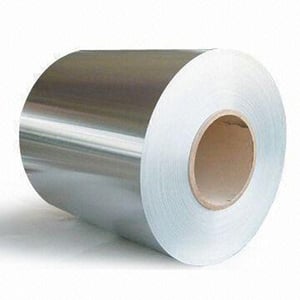
1xxx Series: has excellent corrosion resistance, excellent workability, as well as high thermal and electrical conductivity. This series is commonly used for transmission lines that connect national grids across the U.S.
2. Heat-Treatable Aluminum: alloys that are strengthened through an extreme heating and cooling process. Alloys are heated to specific points to evenly distribute the elements within and then quenched (rapidly cooled) to freeze them in place.

2xxx Series: Copper is used as the main alloying element. These alloys possess a good combination of high strength and toughness. They are often used for aircraft production.
6xxx Series: Primary alloying elements are silicon and magnesium. These alloys are versatile, heat treatable, formable, weldable, strong, and corrosion-resistant. They're often used for automobile production.
7xxx Series: Zinc is used as the main alloying element with small quantities of magnesium, copper, or chromium to increase strength. These alloys are heat-treatable and have very high strength. Often used in the commercial airline industry.
3. Non-Heat Treatable Aluminum: alloys that are strengthened through a process known as cold-working. This process occurs by "working" the metal during its rolling or forging stages and building up dislocations in the metal's atomic structure to increase its strength.
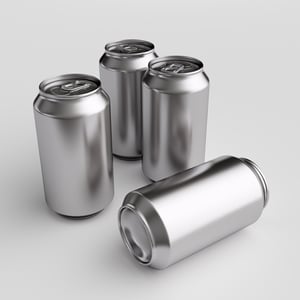
3xxx Series: Manganese is the principal alloying element, often with small amounts of magnesium added. These alloys have moderate strength and good workability and are often used for aluminum beverage cans and cooking utensils.
4xxx Series: Silicon is the main alloying element. These alloys produce lower melting points without producing brittleness. They are often used for welding wires and structural applications.
5xxx Series: Magnesium is the primary alloying element. These alloys have moderate to high strength, good weldability, and corrosion resistance in aquatic environments. are often used in building construction and marine applications.