

What is the certification for high - quality forged car wheels?
Apr 24, 2026
As a seasoned supplier of forged car wheels, I've witnessed firsthand the ever - evolving demands and standards in the automotive industry. High - quality forged car wheels are not just about aesthetics; they are a crucial component that affects the safety, performance, and overall driving experience of a vehicle. So, what exactly are the certifications that define these high - quality products?
ISO 9001: Quality Management System
One of the most fundamental certifications for any manufacturing company, including those producing forged car wheels, is ISO 9001. This certification is a globally recognized standard for quality management systems. It ensures that a company has a well - defined and documented quality management process in place. For a forged car wheel supplier, this means that every step of the production process, from raw material sourcing to the final inspection, is carefully monitored and controlled.
ISO 9001 requires a company to set quality objectives, establish processes to achieve those objectives, and regularly review and improve these processes. In the context of forged car wheels, this translates into consistent quality. For example, the supplier must ensure that the raw materials used, such as high - strength aluminum alloys, meet the required specifications. The forging process, which involves shaping the wheel under high pressure, must be carried out with precision to maintain the integrity of the wheel's structure.
TUV Certification
TUV is a well - known German certification body that provides testing and certification services for a wide range of products, including forged car wheels. TUV certification is highly regarded in the automotive industry because it represents a high level of safety and quality.
TUV conducts a series of rigorous tests on forged car wheels. One of the key tests is the radial fatigue test. In this test, the wheel is mounted on a test rig and subjected to a radial load that simulates the forces it would experience during normal driving. The wheel must withstand a specified number of load cycles without any signs of failure, such as cracks or deformation.
Another important test is the impact test. A weight is dropped onto the wheel at a specific angle and height to simulate a pothole strike or a curb impact. The wheel must pass this test without breaking or causing any significant damage that could affect its performance.
JWL and VIA Standards
JWL (Japan Light Alloy Wheel Standard) and VIA (Vehicle Inspection Association) are standards specific to the Japanese market, but they are also recognized and respected globally. These standards are designed to ensure the safety and performance of forged car wheels.
JWL and VIA standards cover various aspects of wheel design and manufacturing. They specify the minimum thickness of different parts of the wheel, such as the rim and the spoke, to ensure that the wheel can withstand the forces generated during driving. They also set requirements for the wheel's offset, which is the distance between the wheel's mounting surface and its centerline. Incorrect offset can affect the vehicle's handling and tire wear.

You Might Also Like
-

22*9.0 Inch 2-pcs Type Forged Alloy Wheels
-
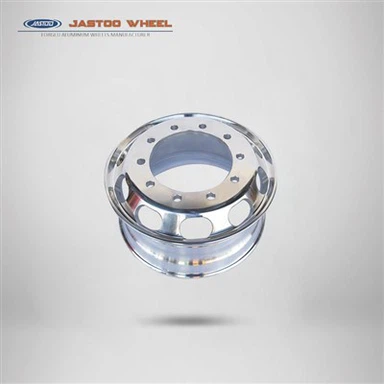
22.5×9.0 Inch Regular Design Forged Alloy Wheel Rims With...
-

20x10/11 Inch Silver+Purple Forged Car Wheels
-
Forged Alloy Motorcycle Wheel And Rim Blanks 12 Inch - 30...
-

22.5*8.25 Wheel With 10 Lugs Aluminum Rims
-

Machined 18 Inch Front And Rear Motorcycle Alloy Wheel Bl...