

Does Changing The Wheel Just Involve Considering The Diameter?
Jun 04, 2025
The term for the wheel rim varies. Some people call it a wheel rim, while others call it a hub. However, strictly speaking, the wheel rim refers to the entire wheel, which is composed of the wheel hub and the spokes.
The rim, also known as the wheel hub, refers to the part of the wheel that comes into contact with the tire. It is used to install and support the tire, together with the spokes, to bear the weight of the vehicle and assist in dissipating the heat generated by the tire.
The spokes refer to the parts that connect the wheel rim and the wheel hub, just like the spokes of a bicycle.
The hub refers to the part where the wheel is connected to the axle (sprocket bearing). It consists of screw fixing holes and a central hole. The screws are responsible for connecting and securing the entire wheel rim to the bearing.
The parameters of the wheel rim are no less than those of the tire. Besides the diameter, there are also J value, PCD pitch, ET value, center hole, etc.

The diameter of the wheel can be determined from the tire. For example, in 255/50 R20, the 20 refers to the diameter of the wheel. The diameter of the wheel must be the same as that of the tire for installation. If the diameter of the wheel is too large, it may interfere with the suspension and the inner side of the wheel arch.
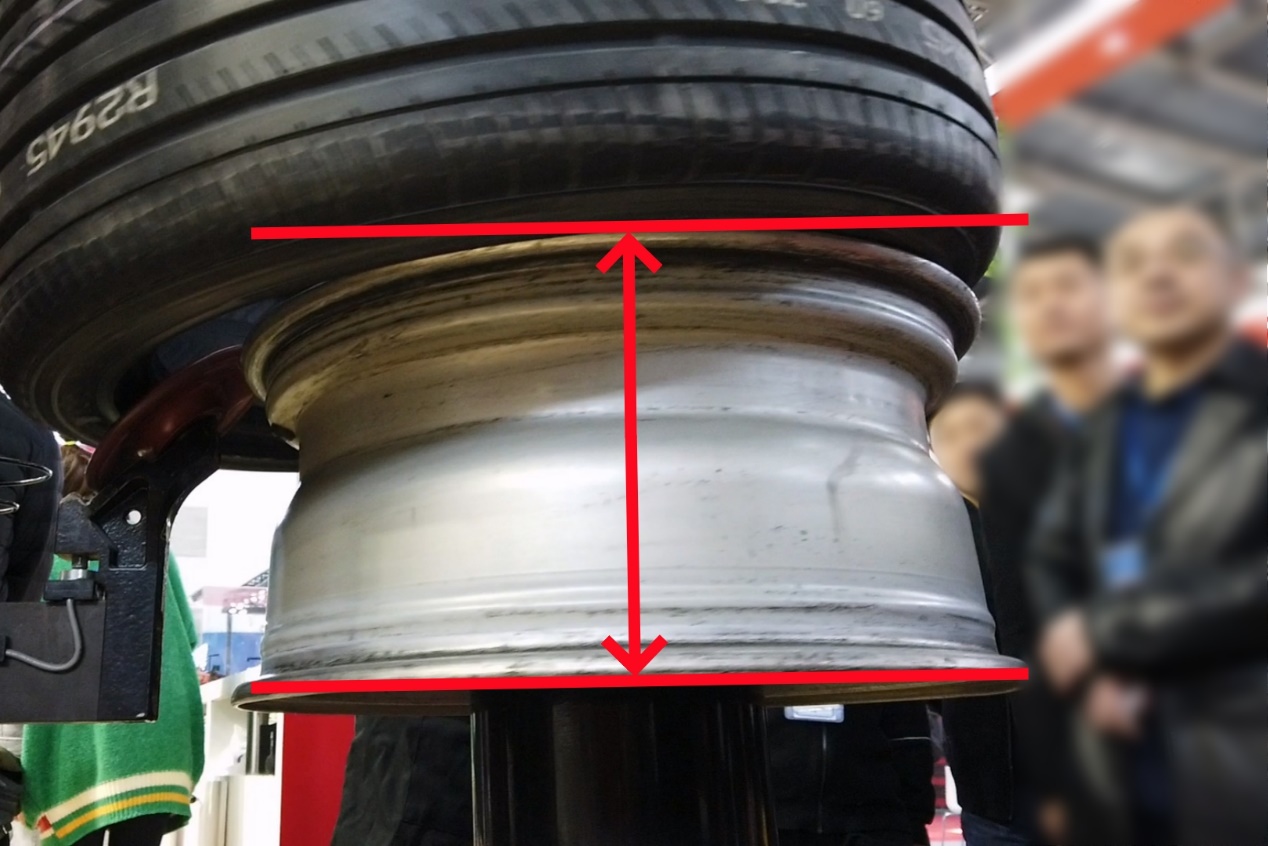
The next parameter is the J value of the wheel rim, which refers to the width of the wheel rim section. Specifically, it is the distance between the two flanges on the sides of the wheel rim. This value is related to the width of the tire and is positively correlated with the diameter of the wheel rim. The larger the wheel rim diameter, the larger the corresponding J value. For example, a 7J wheel rim corresponds to tire widths of 205mm, 215mm, and 225mm. Even larger or smaller tires can be installed, but there will be differences (shortcomings) in performance.
The J value is usually indicated along with the wheel diameter, such as 18x8.5J, 20x9J, etc.

PCD pitch refers to the number of bolt holes for wheel hub fixation. For example, 5 bolt holes; these 5 holes form a circle, and the diameter of this circle is expressed in millimeters. Such as 4x100, 5x10⁸, 5x120, etc. The first number indicates the number of bolt holes on the wheel hub, and the following number represents the pitch.
The PCD pitch must be consistent with the original vehicle data; otherwise, it will not be possible to install.

CBD, center hole, refers to the diameter value of the circular hole in the center of the wheel rim, measured in millimeters. The function of the center hole is to position and fix (the outer screws only serve to clamp), and to align with the shaft head of the sheep horn bearing. If the data is too small, it cannot be installed; if it is too large, a spacer or a sleeve can be used for remediation, but this will create a gap, which is unsafe, and the performance will also deteriorate, leading to high-speed vibration and other issues.
If the gap is too large, relying solely on the outer screws for support, the screws will deform or even break before long.
The ET value, derived from the German word "EinpressTiefe", refers to the wheel offset, or the Offset value. It is represented as ET38, ET45, etc.
The ET value refers to the distance between the installation surface of the wheel hub (the part in contact with the axle) and the centerline of the cross-section (the middle of the J value). The offset value can be positive or negative. A smaller ET value indicates that the installation surface is closer to the inner side of the wheel hub (the side of the suspension), and the wheel hub is further away from the suspension; a larger ET value means that the installation surface is closer to the side of the wheel hub, and the wheel hub is closer to the suspension side.
For example, if the ET value is changed from 55 to 45, the wheels will move outward by 10 millimeters (if it is changed from 45 to 55, the wheels will move inward by 10 millimeters). For those modified wide-body vehicles, very small or even negative ET values are adopted.
The data has been provided, but whether it can be used still depends on the original factory data. There are several reasons for this.
Under the same rim manufacturing process, the larger the rim diameter and the higher the J value, the greater the sprung mass becomes, which affects the dynamic response of the suspension and leads to a deterioration in handling performance. Moreover, when the driving wheels rotate, a greater torque is required, resulting in a decline in the vehicle's acceleration performance and an increase in fuel consumption.
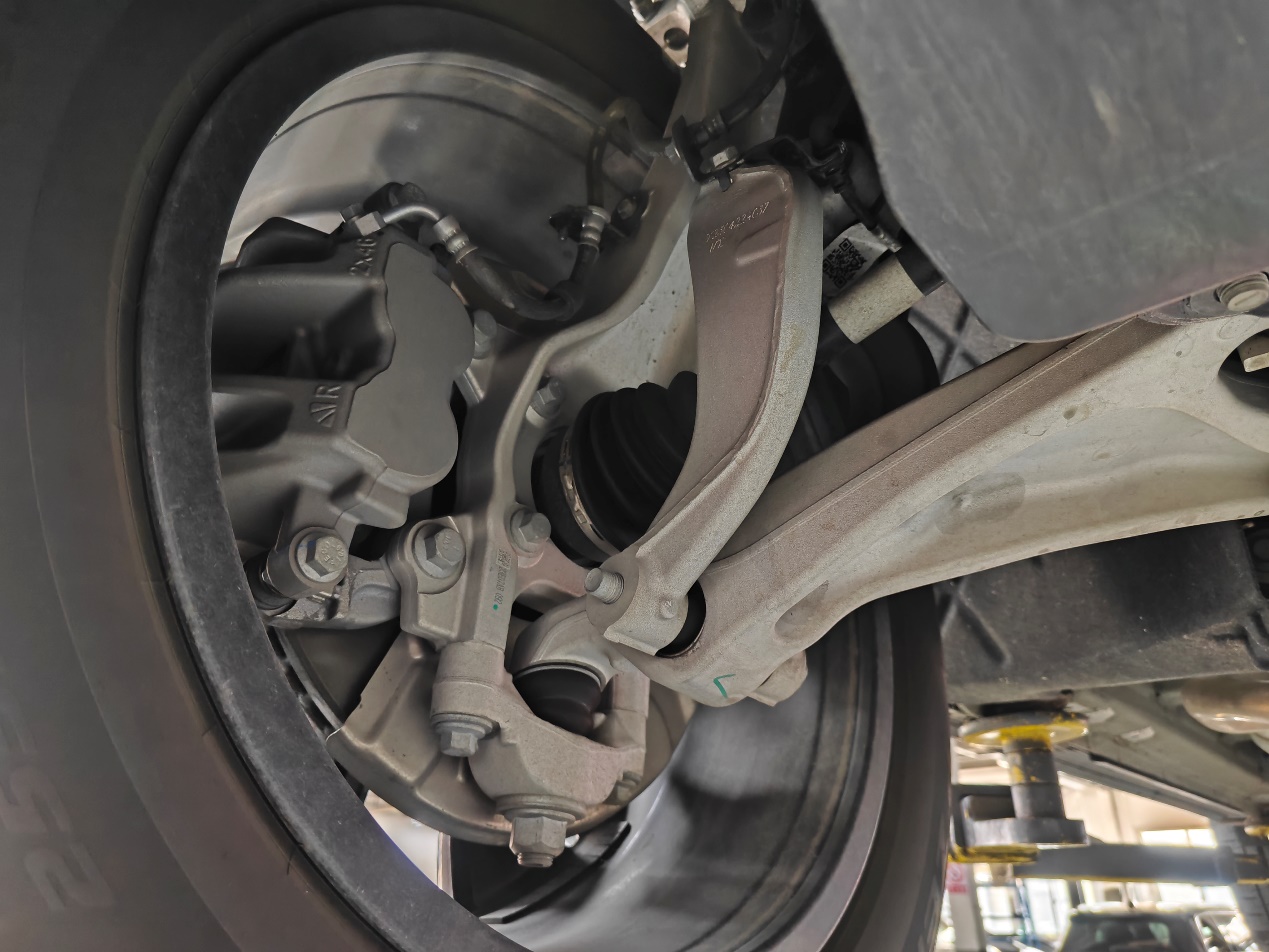
The diameter of the wheel hub and the J value are too large, which may cause interference with the suspension and the wheel arch. The specific situation needs to be determined based on the ET value of the wheel hub.
1. Most people, when modifying their car,s will reduce the ET value, move the wheels outward, making the car look fuller and giving it a stronger sense of power. However, this also brings some problems.
As the ET value decreases, the wheel spacing increases, and the wheel hub is farther from the main pinion. It requires more force to turn the steering wheel. If it is a McPherson suspension, when the ground is uneven, it is more likely to cause the steering wheel to become stuck, increasing the load on the steering gear.
2. When the wheel hub is shifted outward, the load on the suspension increases, and the vehicle's body height may decrease. At the same time, the suspension geometry is also changed.
3. The wheel hub protrudes outward, directly exposed to the wind. This leads to an increase in wind noise and wind resistance.
4. It may cause interference with the brake calipers, suspension rods, and the inner arch of the wheels. Sometimes it doesn't cause interference when driving in a straight line, but it does when turning or when the steering wheel reaches the limit position.


